Do you have an active Security Clearance?
We have temporary and permanent PT & FT jobs for technicians and supervisor!
No clearance? No problem! We also have jobs for specialty technicians!
Do you have an active Security Clearance?
We have temporary and permanent PT & FT jobs for technicians and supervisor!
No clearance? No problem! We also have jobs for specialty technicians!
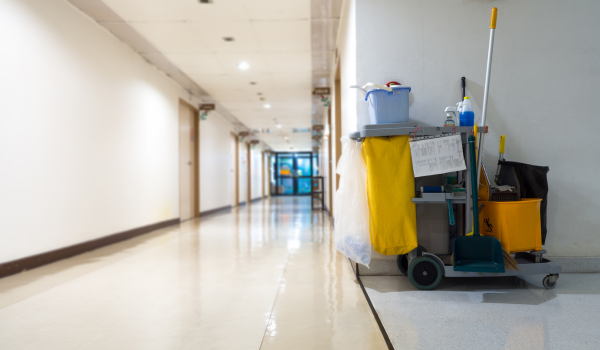
In today’s world, safety and cleanliness are inseparable elements of a well-managed facility. While janitorial teams are traditionally seen as the stewards of hygiene and appearance, their role has expanded into one that also supports security and situational awareness. Especially in secure or high-traffic environments, cleaning staff are on the front lines, uniquely positioned to notice potential safety or security concerns before anyone else.
Janitorial professionals move throughout a facility in ways few others do. They access offices, restrooms, storage areas, and common spaces, often at times when occupancy fluctuates. This constant movement creates a valuable opportunity: janitorial teams can serve as early detectors of unusual activity or environmental changes that might signal security issues, such as forced entry, misplaced items, unsecured doors, or signs of vandalism.
Recognizing this potential, many organizations are embracing a “See Something, Say Something” culture within their cleaning operations. By integrating janitorial teams into broader facility safety protocols, managers can transform everyday cleaning routines into a first layer of defense.
Daytime cleaning in secure facilities presents both opportunities and responsibilities. The visibility of cleaning staff can promote transparency and collaboration—but it also requires attentiveness and adherence to security guidelines.
Staff should be briefed on which areas are restricted, what credentials are needed, and the proper protocols for entering secure spaces. Even when familiar with the environment, cleaners should never assume access without authorization.
Encourage team members to notice and report anomalies, such as unattended bags, unfamiliar visitors, or unlocked access points. A culture that values attentiveness ensures safety without creating alarm.
Security concerns should be escalated through pre-defined channels. Cleaners should know who to contact and how to report observations clearly and confidentially.
In secure workplaces such as government offices, data centers, or corporate headquarters, janitorial staff may encounter sensitive materials. Training should reinforce non-disclosure policies and the importance of professional discretion.
Simple practices, like ensuring all entry points are locked after cleaning or double-checking that cleaning carts are free of unattended items, can significantly reduce risks.
The most effective approach to merging sanitation and security is collaboration. Facility managers can build partnerships with cleaning teams that reinforce awareness without adding complexity.
Coordinated sessions between cleaning crews and security or facilities personnel foster mutual understanding. Cleaners learn what to look for, while managers gain insights into daily patterns observed by janitorial teams.
Brief pre-shift or post-shift meetings allow cleaners to share observations and facility managers to provide updates on areas of concern. This creates a two-way feedback loop that strengthens vigilance and trust.
When janitorial staff are recognized as contributors to security, not just service providers, it fosters ownership and pride in their role. Acknowledging this dual responsibility elevates morale and accountability across teams.
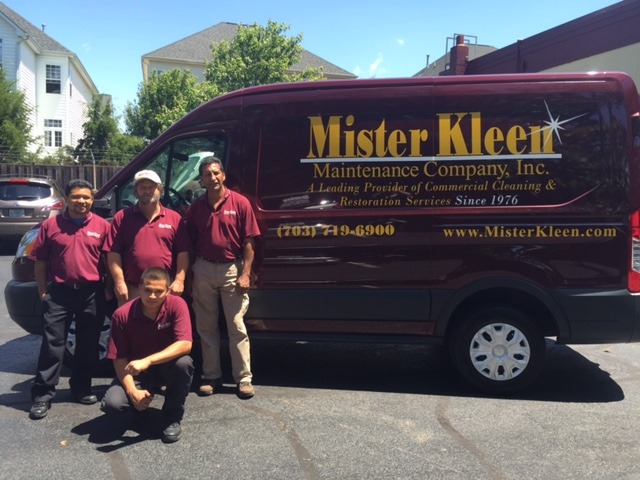
Security and sanitation share a common goal: maintaining safe, welcoming, and well-functioning spaces. When facility managers and janitorial professionals work together, they create an environment that not only looks clean but also feels secure. Mister Kleen has been a leading provider of contract cleaning services to Commercial and High-Security facilities since 1976. Contact us today for high-security cleaning services in the DC Metro Area.